
Wrote a review for it after watching it at TIFF!
Even in an age of constant media attention, stars and athletes like Kelly Clarkson, Shakira, Kesha, Gabby Douglas, and Naomi Osaka have faced abuse from partners or trusted managers who exploited their position. Which is why Christy Martin’s story feels both justified and sadly relevant as a film adaptation. The problem is that it arrives in a form that feels like “the annual TIFF boxing film,” following trends we have seen countless times before, in both stories of abuse and the more conventional sports genre.
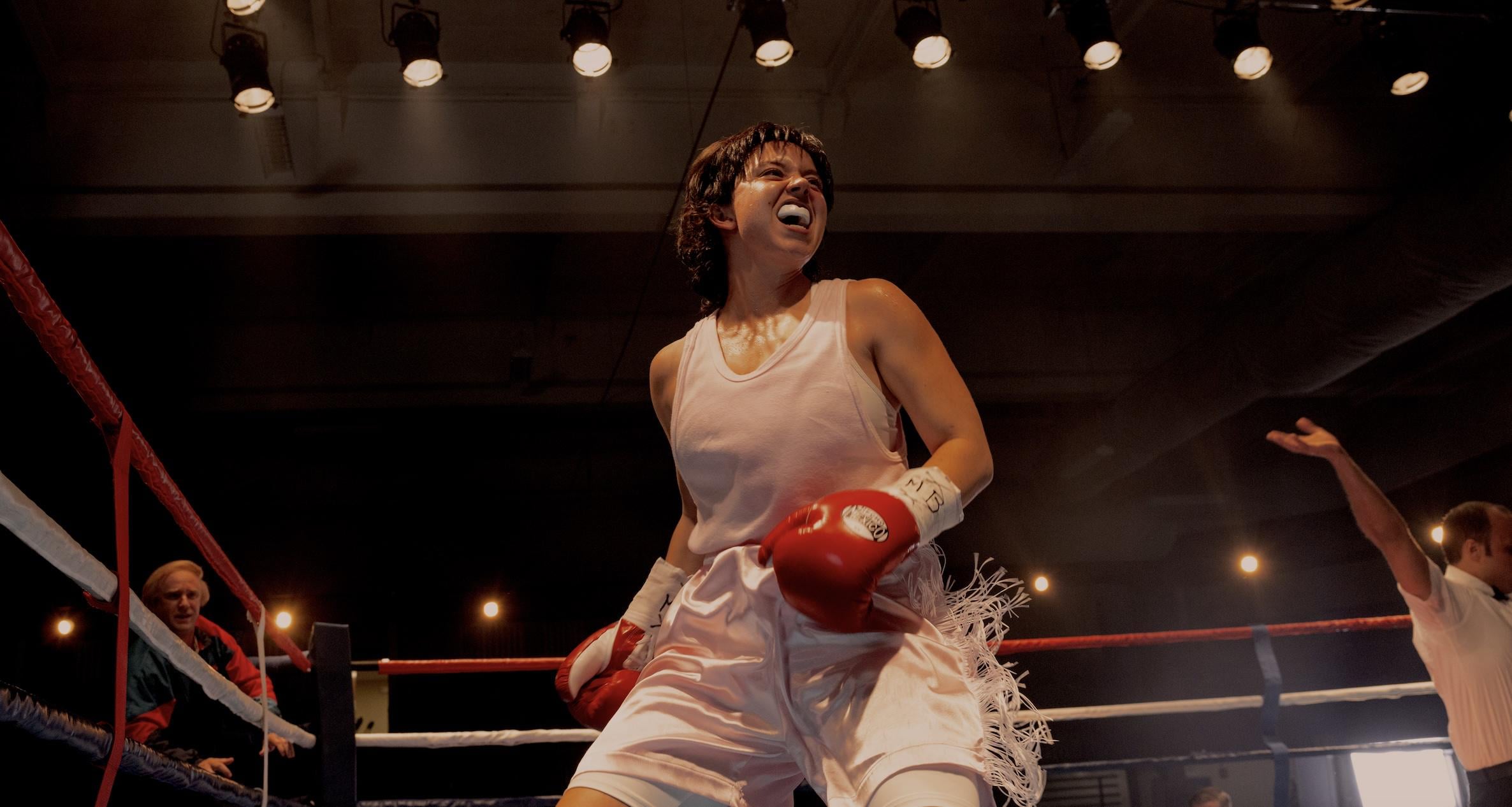
Christy tells the story of Christy Martin, a boxer who grew up in a coal mining family that gave her both physical strength and resilience, earning her the nickname “The Coal Miner’s Daughter.” She turned professional in 1989, when the sport offered almost no recognition or infrastructure for women, and by the late 1990s she had become one of the most famous female boxers in the world, helping legitimize women’s place in the ring. Her story is also notable for how pressure from a mother who rejected her homosexuality led her to marry her trainer and manager James V. Martin, entering a relationship that behind the scenes was grotesque and violently abusive.
Narratively, the film recalls I, Tonya, The Fighter, and countless other underdog sports dramas. In some ways it plays almost like 2013’s Lovelace merged with a standard boxing film, sharing many of the same emotional beats, including an identical pivotal confrontation with a mother and a very similar portrait of an abusive husband. Directed by Australian filmmaker David Michôd (of the excellent Animal Kingdom and the more uneven The Rover and The King), a director known for unsettling pacing and grit, Christy is not particularly fresh or distinctive until one late development, which lands harder precisely because it breaks from the film’s usual approach. Before that, the highlights come from Michôd’s willingness to infuse humor, mostly through Merritt Wever and Chad L. Coleman, both excellent here. Their comic energy contrasts well with the heaviness of the material, and small touches like Christy carrying her walker rather than using it capture her loose personality in ways that feel vivid.
Outside of them, the film does not always make the best use of its supporting cast. The father is comically sidelined, Jess Gabor’s Sherry feels stilted, and Katy O’Brian is wasted in a role that is a clear downgrade from her work in Love Lies Bleeding last year. The familiar “rise and fall” montages also grow repetitive and frustrating.
What truly weakens the film, however, is the way Christy and James’ relationship is developed, full of character inconsistencies and shortcuts that rob the story of its impact. The most important aspect of the story should be understanding why they married and why she stayed, even as the relationship directly caused her decline. For that arc to work, the film needed either to show Christy gradually gaining emotional strength or to portray James with a more convincing magnetic pull. Instead, Christy is introduced assured at first, making us wonder why she would ever give this man the time of day, even under her mother’s pressure, which she readily defies at first but later allows to dictate her every choice. A smarter transition into her eventual submission was necessary to make the story truly tragic. Instead, her character is increasingly undermined to make the narrative function, forcing her into implausibly naïve choices that strip her arc of credibility. James’ appeal, meanwhile, is reduced to handing out gifts. I understand the film not wanting to give him too much credit to Christy success, but he ends up seeming like he has nothing to offer at all. While that makes the mother’s action even more tragic, given how cheaply she sells her daughter, it leaves James narratively uninteresting and flattens the central conflict.
Sydney Sweeney and Ben Foster do what they can with the material. Sweeney transforms physically (all but her ultra white teeth, which are distracting) and shines in the early stretches, her near manic determination recalling Charlize Theron in Monster. Once the film reins Christy in, her performance follows, and she grows increasingly closer to Sweeney herself rather than Christy Martin. The crucial mother-daughter scene reveals the difference between an actress acting (Sweeney) and an actress living the role (Wever). Foster has long specialized in roles shaded with menace and abuse, and coming straight from seeing him in Motor City at TIFF, it was striking to watch him find new ways to channel his trademark intensity. His cold stares are disturbing enough that his most violent choices never feel out of reach.
It is in the final passages, when the tone shifts back toward the rawness its opening promised (and that the real story demanded), that Christy finds its strongest footing. The film gives us an important figure and a story that deserves to be told and retold until society truly evolves past such occurrences. It does not share all of its protagonist’s courage, but when it does, it leaves a mark.
Read it at https://reviewsonreels.ca/2025/09/13/christy-tiff-2025/